From Listing to Closing: How to Sell Luxury Property in Dubai
Wiki Article
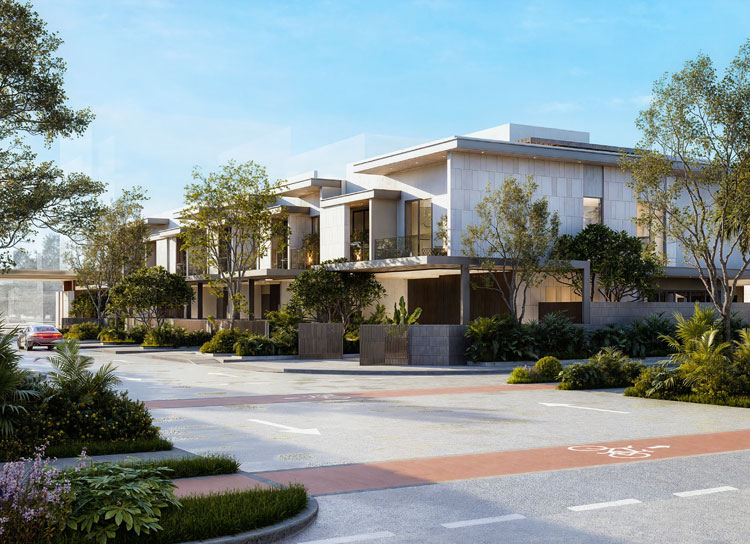
To sell luxury property in Dubai requires far more than placing a listing online and waiting for inquiries. The high-end real estate segment operates on exclusivity, discretion, strategic marketing, and deep market understanding. Sellers must navigate pricing psychology, legal procedures, buyer expectations, and global competition. Every stage from initial preparation to final transfer demands precision.
Luxury real estate buyers are typically well-informed, globally mobile, and selective. They evaluate not only the property itself but also architecture, craftsmanship, privacy, amenities, and long-term investment value. Understanding this mindset is the first step toward a successful transaction.
This guide walks through each phase of the process, providing a comprehensive roadmap from listing to closing while maintaining the level of sophistication the premium market demands.
Understanding the Luxury Market Landscape
The luxury segment functions differently from the broader residential market. Properties are often unique, custom-designed, and positioned within exclusive communities. Demand is influenced by global wealth trends, investor confidence, lifestyle migration, and tax advantages.
Key characteristics of high-end buyers include:
Preference for privacy and discretion
Interest in architectural uniqueness
Focus on long-term capital appreciation
Demand for premium amenities
Expectation of seamless transactions
Because the audience is niche, the marketing and negotiation strategies must be equally refined.
Preparing the Property for Market
First impressions are everything in luxury real estate. Buyers in this segment expect flawless presentation and impeccable standards.
Architectural and Design Review
Before listing, assess:
Structural integrity
Design coherence
Interior finishes
Landscaping quality
Lighting and ambiance
Minor imperfections that might be acceptable in mid-market properties can significantly affect high-value transactions.
Professional Staging
Luxury staging is not simply decorating it is storytelling. Each space must convey lifestyle aspirations:
Grand entrances should evoke prestige
Living areas must feel expansive and inviting
Bedrooms should communicate comfort and tranquility
Outdoor spaces must highlight entertainment potential
Neutral, elegant styling allows buyers to envision their own lifestyle within the property.
Maintenance and Upgrades
Consider strategic upgrades:
Smart home systems
Energy-efficient features
Modern kitchen appliances
Refreshed bathrooms
Updated security systems
These refinements can significantly increase perceived value.
Strategic Pricing: The Art and Science
Pricing luxury property requires careful analysis. Overpricing can cause stagnation, while underpricing risks leaving value on the table.
Comparative Market Analysis
Evaluate:
Recent high-end transactions
Current luxury listings
Market absorption rates
Buyer demand trends
Pricing Psychology
Luxury pricing is often about perception. A well-calibrated price communicates exclusivity without appearing unrealistic. Sellers should aim for:
Competitive yet aspirational pricing
Alignment with property uniqueness
Consideration of market timing
A precise pricing strategy attracts serious buyers and prevents prolonged listing periods.
Crafting a Premium Marketing Strategy
Luxury real estate marketing must be sophisticated and targeted. Standard listing platforms are rarely sufficient.
High-End Visual Presentation
Professional visuals are essential:
Cinematic video tours
High-resolution photography
Aerial footage
Virtual walkthroughs
These assets allow international buyers to evaluate properties remotely.
Story-Driven Listing Descriptions
Descriptions should highlight:
Architectural inspiration
Premium materials
Lifestyle features
Unique selling point
Luxury buyers respond to narrative not just square footage.
Targeted Global Outreach
Marketing strategies should include:
International buyer networks
Private client databases
Exclusive property showcases
Invitation-only viewings
Discretion and personalization are key in attracting affluent clientele.
Managing Inquiries and Viewings
Handling inquiries in the luxury market requires professionalism and efficiency.
Buyer Qualification
Before arranging viewings, confirm:
Financial capability
Purchase timeline
Serious intent
This avoids unnecessary disruptions and maintains exclusivity.
Curated Property Tours
Luxury viewings should be carefully orchestrated:
Schedule at optimal times
Ensure flawless presentation
Provide detailed property documentation
Highlight craftsmanship and design details
Each viewing should feel like a private event rather than a routine showing.
Negotiation Strategies for High-Value Transactions
Negotiation in luxury real estate is often nuanced and strategic.
Understanding Buyer Motivation
Buyers may be motivated by:
Investment diversification
Relocation
Lifestyle upgrades
Portfolio expansion
Understanding their intent strengthens negotiation positioning.
Balancing Price and Terms
Negotiation may involve:
Purchase price
Payment structure
Furnishing inclusion
Handover timeline
Special conditions
Flexibility in non-price terms can help preserve value while satisfying buyers.
Maintaining Professional Composure
Luxury transactions can involve significant sums. Remaining calm, patient, and strategic is essential to achieving favorable outcomes.
Legal Framework and Documentation
A smooth closing depends on proper legal preparation.
Required Documentation
Typical documentation includes:
Proof of ownership
Identification documents
No-objection certificates
Sale agreement
Transfer documentation
Ensuring paperwork accuracy avoids delays.
Escrow and Payment Structures
High-value transactions often involve:
- Report this wiki page